Hurricane Tie Down Straps for Mobile Home to Secure Frame , Roof Anchor
Table of Content
They are just too unpredictable, and there are too many possible dangers involved. As an extra precaution, make sure your home meets local flood zone specifications. Usually, this involves the home situated at a certain height and lifted up by piers. In addition to hurricane proofing your home, it is essential to plan what you will do during a hurricane.

You can find this information on your local building code website. As a result, Florida experiences more storms than any other state in the US. Hurricane straps themselves are not usually expensive items, usually costing between $0.35 and $0.95 each. Naturally the cost will add up quickly considering the number of straps required, and the cost of labor must be considered as well. On average, people who upgrade from simple toe-nailing systems to proper hurricane clips/straps are able to save around 37% on their home insurance premiums. It’s best to have a professional installer do the work and have a building inspector check the installation afterward.
Step 3. Replace The Soffit Around Your House
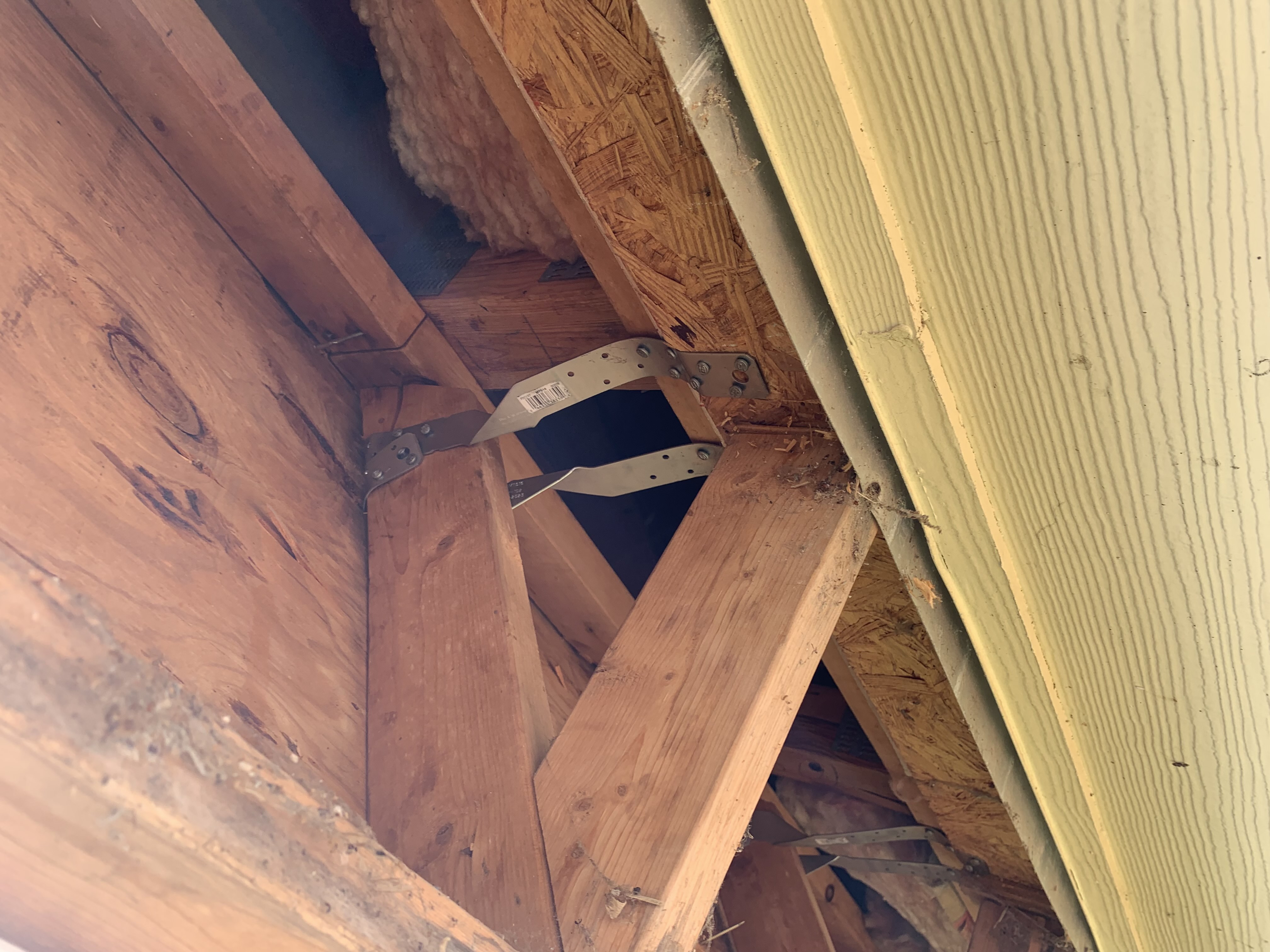
The uplift of both the trusses and the hurricane ties has to be considered, and naturally you shouldn’t use hurricane ties with a capacity less than that of the trusses. These guidelines are updated regularly to ensure mobile homes are wind-resistant. Tighten anchor straps tight to keep your mobile home stable and secure during high winds.
Because removing and reinstalling drywall can be messy and expensive, the soffit approach is ideal. Tamlyn® offers both embed and boltdown holdowns for improving the structural strength of the building. Flexible choice means best results based on job and local code requirement. The furnace you choose for your mobile home will function differently compared to furnaces designed for traditional... Therefore, if you don’t have a new mobile home, do some extra checking to see if these standards applied at its construction date.
Steps To Installing Hurricane Straps On An Existing Roof
Over-the-top hurricane tie-downs should be installed in single-wide mobile homes along with frame anchors. Double-wide mobile homes are more stable, so they typically don’t require over-the-top hurricane tie-downs. Underhome Armor will install hurricane anchors into the ground around your mobile home.
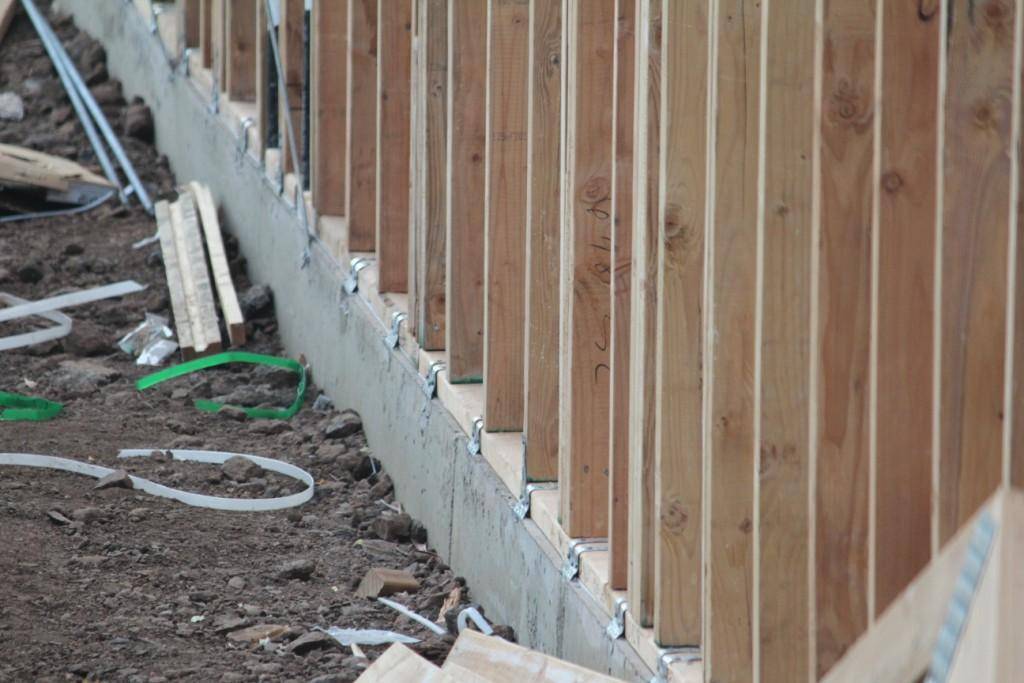
With someone holding your ladder, it’s as easy as placing the hurricane strap at the proper junction and hammering it into place. It’s important to have someone to assist you during this process. A friend or neighbor can hold the ladder while you are hammering. This decreases the likelihood that you will get injured while installing the hurricane straps to your home.
How to Install Hurricane Straps on an Existing Roof
The best thing to do in case of a hurricane is to pack up your things and go! Most homes will be completely destroyed either by the winds, floods or blowing debris. There are many things you can do for hurricane safety apart from ensuring that you have a HUD-certified home with an appropriate stormwind rating. When you have an inspector evaluate your tie-downs, get them to check out your secondary structures. Ask if your structures will compromise the stability of your home in a hurricane and get suggestions for what to do to make them appropriately secure.
Over-the-top tie-downs are installed on the sides of the home and the roof. New construction mobile homes are outfitted with concealed over-the-top tie-downs. They are installed during construction and are used to strengthen the roof and the connectors from the roof to the walls. Hurricaneanchors Installation.Years of winds and weather will loosen your Hurricane anchors.
Hurricanes are one of the worst and most terrifying things mother nature can throw at you and your manufactured home. They could be accompanied by a flood, storm winds, and even tornadoes. Luckily, these do not affect most areas in the U.S. but are still commonplace enough to deserve thinking about. Read up on these hurricane safety tips so you and your loved ones can be prepared. Wall plate roll occurs when the upwards forces created by extreme wind conditions cause the wall plates to lift up and detach from the structure. This, in turn, causes the wall plates to roll towards the exterior of the wall.

The straps or ties you choose should be able to support the weight of your house without breaking. However, you can install the anchor vertically for frame tie-downs if you use a stabilization device to prevent the anchor from getting displaced sideways. Homes intended for wind zones 2 and 3 require diagonal and vertical tie-downs. Longitudinal stabilizers are installed to protect your mobile home in high winds. Therefore, the main benefit of straps and tie-downs is to hold these homes in place and prevent them from being uprooted during a storm. We inspect anchor straps and anchors for rust and cracks where the straps are wound around the adjusting bolts.
Many of us hail the advent of warm, summery weather with joy. It’s the start of grilling season, camping season, beach season, and summer vacation. But there’s one other little gift that this time of year brings us–hurricane season. Next, you need to consider the size and weight of your home.
Storm Preppers is not liable or responsible for any damages incurred through the use or misuse of the information on this website or its partners. If you do this, you are doing it incorrectly and the straps will fail. The aim is to gradually adjust both sides in a side-to-side manner and tighten them.
There must be a minimum of three nails connecting the strap to the timber member. In order to remove the soffit, slide it to the end of the eaves, and remove the individual pieces. Radiant wall heating – often called radiant heating, radiant cooling, or radiant slab heating – is one of the popular methods for home heating. Some argue that this heating method can evenly heat a space and provide comfortable, efficient, and clean warmth. Most people might think that manufactured and modular homes are the same, but they aren’t.

Also for general purpose tie use, strongback or attachments where one member crosses another. It’s that time of year again when Floridians start inspecting their hurricane ties and straps in preparation for the potential big one. In such a scenario, mobile home owners should install hurricane tie-downs not only in coastal regions and the tornado-prone Midwest but also in areas where gusty winds are expected. They must ensure that they adhere to the HUD guidelines while installing these. They are made of pure steel and come with a set of threads that are screwed deep into the ground.
Hurricane anchors and straps will protect your carport and adjacent home from damage. Hurricane anchors will ensure your protected against movement during storms. Hurricane anchorswill make sure you home remains stable and your protected from damage from our Intense storms in Florida. Hurricane anchorsare your first line of defense when it comes to making sure you home will remain stable and resist damage from winds and shifting soils over time.


Comments
Post a Comment